 English
 Urdu
Urdu






10 Best Indoor Plants in Pakistan 2026 — Complete Buyer's Guide
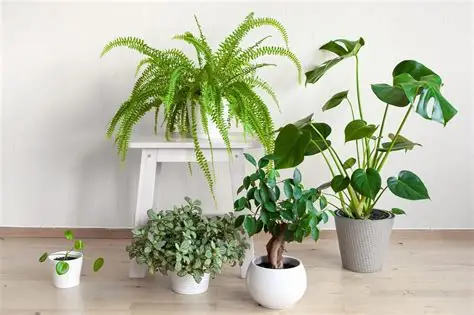
Indoor gardening has grown fast in Pakistan. More people in Lahore, Karachi, and Islamabad are buying plants online — and for good reason. Indoor plants reduce stress, clean the air, and make any home or office feel less like a concrete box.
The problem is that most plant guides online were written for British or American homes. Pakistan is different. Summers hit 45°C in Lahore. Dust storms sweep through in April. Air conditioners dry out everything. Many rooms get harsh south-facing sun rather than gentle morning light. Load shedding means temperature swings throughout the day.
This guide is written specifically for Pakistani conditions, Pakistani budgets, and the plants actually available in Pakistan's nurseries in 2026.
Browse Plants Ghar's Categories
- Indoor Plants — hundreds of varieties from verified nurseries
- Outdoor Plants — for gardens, lawns, and rooftops
- Artificial Plants — zero maintenance, perfect for offices
- Pots & Planters — matching pots for every style
- Office & Commercial Plants — for workplaces across Pakistan
- Wholesale Plants — bulk orders for projects and nurseries
Why Pakistan Needs a Different Indoor Plant Guide
Most indoor plant content on the internet targets buyers in temperate climates. If you follow that advice in Lahore or Multan, half your plants will die by June.
Here is what makes Pakistan's indoor plant situation unique:
Extreme summer heat. Lahore, Multan, and Bahawalpur regularly hit 44–48°C in May and June. Even rooms with air conditioning swing between 18°C at night and 35°C during load shedding. Tropical plants that thrive in 25°C conditions struggle with these swings.
Inconsistent watering patterns. Pakistani households are busy. Ramadan, Eid, school holidays, and frequent travel mean plants can go two to three weeks without water. Any guide that says "water every three days" will not work here.
Dust and air quality. Cities like Lahore and Karachi are among the most polluted in the world. Air-purifying plants are not just trendy here — they actually make a measurable difference in indoor air quality. NASA's clean air study identified several plants that remove formaldehyde, benzene, and xylene — all common indoor pollutants in Pakistani urban homes.
Light conditions. Many Pakistani homes have south or west-facing windows that get intense afternoon sun — not the soft indirect light most plant guides assume. Some interior rooms get very little natural light at all.
The 10 Best Indoor Plants in Pakistan 2026
1. Snake Plant — سانپ پودا (Sansevieria trifasciata)
The snake plant is the top choice for Pakistan in 2026 — and it's not particularly close. It survives temperatures up to 40°C, needs water only once every two to three weeks, and grows in rooms with almost no natural light. The stiff upright leaves give it a clean architectural look that works in living rooms, bedrooms, and offices.
One unusual trait: unlike most plants, snake plant releases oxygen at night. This makes it well-suited to bedrooms, where it improves air quality while you sleep. It removes formaldehyde and benzene — both common in Pakistani homes with new paint, furniture, and traffic pollution coming through windows.
2. Money Plant — منی پلانٹ (Pothos / Epipremnum aureum)
Money plant is everywhere in Pakistani homes because it genuinely works. You can grow it in a glass of water, a hanging basket, or a pot. It climbs any surface you give it — walls, shelves, cupboards. New cuttings root in water within two weeks, which means one plant becomes ten plants very easily.
It handles Pakistan's inconsistent watering better than almost anything. Forget it for ten days? It will still be fine. Put it in a dark interior room? It slows down but survives. For beginners buying their first indoor plant in Pakistan, money plant is the correct answer every time.
3. Peace Lily — امن کا پھول (Spathiphyllum)
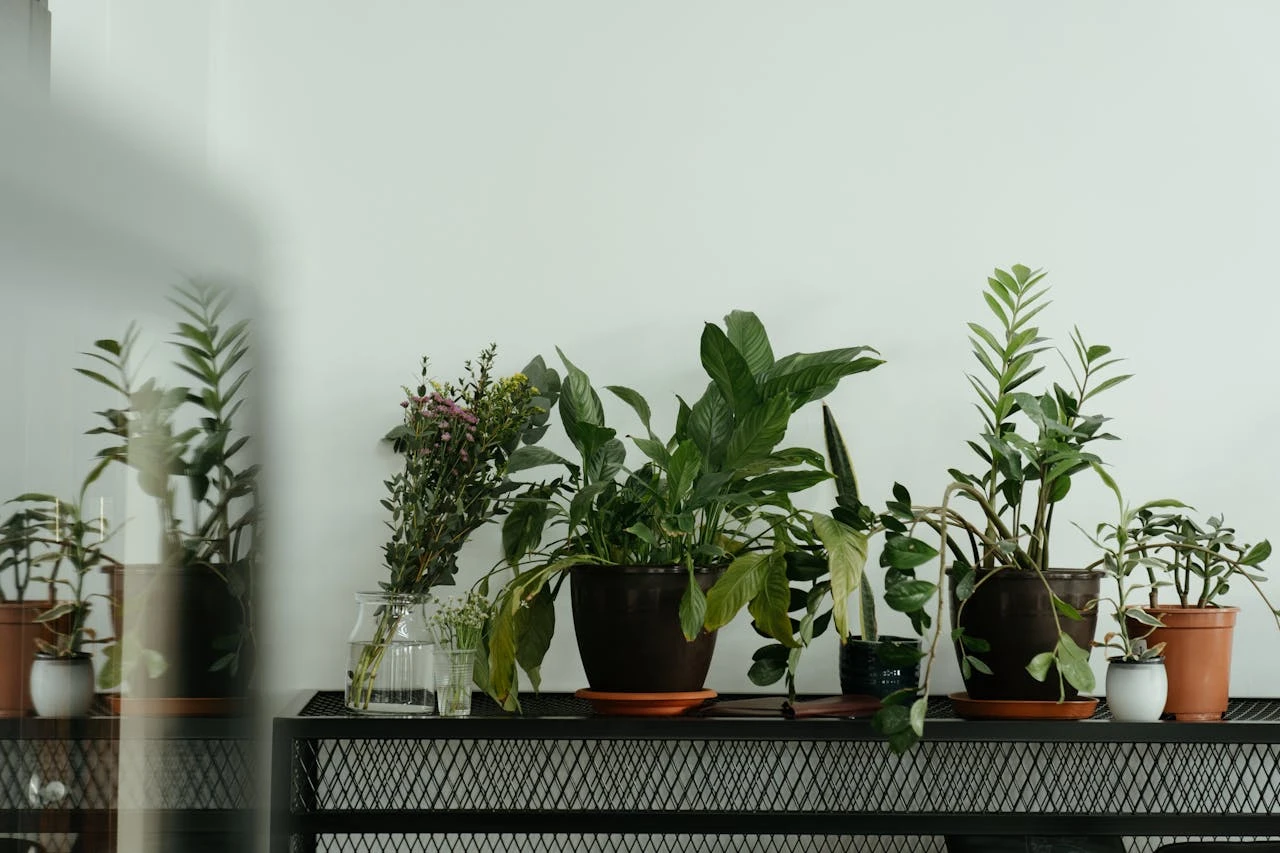
If you want a flowering plant that grows indoors in Pakistan, peace lily is your best option. The elegant white blooms appear multiple times a year, and the deep green leaves look refined year-round. It's one of very few flowering plants that thrives in low light — most flowering plants need direct sun, which makes them unsuitable for interior rooms.
One useful feature for busy households: peace lily visibly droops when it needs water. It literally tells you when to water it, then bounces back within an hour of being watered. Keep it out of direct afternoon sun — the harsh west-facing light in many Pakistani homes will scorch the leaves brown.
4. Areca Palm — اریکا پام (Dypsis lutescens)
The areca palm grows up to two meters indoors and transforms any living room or office lobby. It works particularly well in Karachi, where the coastal humidity suits it. In drier cities like Lahore and Islamabad, mist the leaves occasionally during summer. It's one of the most effective air humidifiers in the plant world — useful in Pakistani homes where air conditioning dries everything out.
Make sure your pot has drainage holes. Areca palm hates waterlogging — the roots rot quickly in standing water. Use a mix of regular soil and coarse sand.
5. ZZ Plant — زیڈ زیڈ پلانٹ (Zamioculcas zamiifolia)
The ZZ plant stores water in thick underground rhizomes, meaning it can survive up to a month without watering. For Pakistani households that travel frequently or deal with irregular schedules during Ramadan and Eid, this is a serious practical advantage. The glossy dark green leaves look expensive — nobody believes it's one of the easiest plants to grow.
6. Aloe Vera — ایلو ویرا
Aloe vera is one of the rare plants that actually prefers Pakistan's intense sunlight. Put it on a bright windowsill and it grows quickly. The gel inside the leaves treats sunburn, minor cuts, and skin irritation — genuinely useful in a Pakistani household, especially in summer. Water it every ten days in summer and barely at all in winter. Overwatering is the one way to kill it.
7. Rubber Plant — ربڑ پلانٹ (Ficus elastica)
The rubber plant grows slowly into a proper indoor tree over a few years. The large glossy leaves — available in classic green or dramatic dark burgundy — look striking in any modern Pakistani home. It handles dry indoor air well, which matters during the long months of air conditioning use. New burgundy varieties have become very popular in interior decoration in Lahore and Karachi.
8. Spider Plant — مکڑی پودا (Chlorophytum comosum)
Spider plants work best in hanging baskets on Pakistani balconies or in bathrooms with natural light. They produce long arching stems with baby plants — called "spiderettes" — that you can cut and root in water to make new plants for free. One spider plant can produce a dozen babies in a season. Pet owners in Pakistan should note it's one of the few indoor plants that is completely safe for cats and dogs.
9. Chinese Evergreen — چائنیز ایورگرین (Aglaonema)
Aglaonema comes in dozens of varieties — deep green with silver streaks, variegated white, vivid pink-red, and lime green. It has become one of the most popular indoor plants across Asia precisely because it handles warm, humid conditions well. In Karachi it grows particularly well year-round. The colorful varieties add a decorative element that plain green plants cannot match.
10. Lucky Bamboo — لکی بیمبو (Dracaena sanderiana)
Lucky bamboo is technically not bamboo — it's a dracaena grown in water rather than soil. You just keep it in a vase with water, change the water every two weeks, keep it out of direct sun, and it grows for years without any soil or fertilizer. It's the top-selling gift plant in Pakistan for office openings, house warmings, and weddings. Arrangements with twisted or braided stalks are particularly popular.
Quick Comparison Table — All 10 Plants
| Plant | Price (PKR) | Care Level | Light Need | Best For |
|---|---|---|---|---|
| Snake Plant | 500–2,000 | ⭐ Easiest | Any | Beginners, bedrooms |
| Money Plant | 150–700 | ⭐ Easiest | Low–Medium | Beginners, hanging |
| Peace Lily | 600–2,500 | ⭐⭐ Easy | Low–Medium | Flowers indoors |
| Areca Palm | 1,500–10,000 | ⭐⭐ Easy | Bright indirect | Living rooms, offices |
| ZZ Plant | 900–3,500 | ⭐ Easiest | Very Low | Dark rooms, travelers |
| Aloe Vera | 250–1,000 | ⭐ Easiest | Bright | Sunny windows, medicinal |
| Rubber Plant | 700–5,000 | ⭐⭐ Easy | Medium–Bright | Statement piece |
| Spider Plant | 250–800 | ⭐⭐ Easy | Any | Balconies, bathrooms |
| Aglaonema | 600–3,000 | ⭐⭐ Easy | Low–Medium | Decorative, Karachi |
| Lucky Bamboo | 350–2,500 | ⭐ Easiest | Medium indirect | Gifts, offices |
How to Choose the Right Indoor Plant for Your Pakistani Home
Before buying, think through these three things:
How much light does your room get? South and west-facing rooms in Pakistan get harsh afternoon sun. These suit aloe vera, snake plant, and rubber plant. North-facing or interior rooms with minimal natural light need peace lily, ZZ plant, or aglaonema. If you have a bright balcony with morning sun, you can grow almost anything.
How often will you actually water it? Be honest with yourself. If your household is busy, if you travel frequently, or if Ramadan and Eid mean the plants get ignored for weeks — choose snake plant, ZZ plant, or aloe. If you're home often and enjoy plant care, try peace lily or areca palm, which reward regular attention.
What is the purpose? For air purification in a polluted Pakistani city, choose snake plant, peace lily, or areca palm. For a balcony, spider plant or aglaonema work well. For a gift, lucky bamboo or a money plant arrangement is always well-received. For a large statement piece in a drawing room, areca palm or rubber plant.
Indoor Plant Care Tips Specific to Pakistan's Climate
Summer heat management. Move sensitive plants like peace lily and aglaonema away from west-facing windows in May and June. Even indirect afternoon light through glass heats up to damaging levels. Keep them in interior positions during peak heat.
Watering during load shedding. Without air conditioning, temperatures in rooms can spike 10–15°C within an hour of a power cut. Check soil moisture more frequently in summer. Plants dry out much faster without climate control.
Dust on leaves. Pakistani cities have high dust levels. Dust on leaves blocks photosynthesis. Wipe large-leaved plants like rubber plant and peace lily with a damp cloth once a month. Mist small-leaved plants.
Water quality. Most Pakistani tap water is hard and may contain excess chlorine. Let tap water sit overnight before using it on sensitive plants. For aglaonema and peace lily, filtered water is better if available.
Fertilizing. Pakistani soil mix from nurseries varies widely in quality. Add a slow-release fertilizer in February and August — the two growing seasons in Pakistan's climate. Avoid fertilizing in peak summer (May–July) when plants go semi-dormant.
Where to Buy Indoor Plants Online in Pakistan in 2026
Plants Ghar is Pakistan's #1 verified online plant marketplace. Unlike single nurseries that sell from one location, Plants Ghar connects buyers with verified nurseries across Pakistan — so you get a wider selection, competitive pricing, and healthy plants regardless of which city you're in.
All plants on Plants Ghar come from nurseries that have been verified by our team. Plants are professionally packed for safe delivery — a real difference from random sellers who wrap plants in newspaper. We deliver to Lahore, Karachi, Islamabad, Rawalpindi, Faisalabad, Multan, Peshawar, Quetta, and 40+ other cities.
Beyond plants, Plants Ghar also offers pots and planters, fertilizers, gardening tools, artificial plants for zero-maintenance spaces, and landscaping and gardening services. You can also register as a seller if you have a nursery and want to reach buyers across Pakistan.
Frequently Asked Questions — Indoor Plants Pakistan 2026
The best indoor plant for a Pakistani home in 2026 depends on your light, your schedule, and what you want from it. Snake plant and ZZ plant are the safe choices for busy households. Peace lily and areca palm are right if you want something more visually rewarding. Money plant is the perfect starter. Lucky bamboo is the ideal gift.
All ten plants on this list are available on Plants Ghar from verified nurseries, delivered across Pakistan. Browse indoor plants, pots, and gardening services — or visit our blog for more plant care guides written specifically for Pakistan.
Recent Posts
Kitchen Garden in Pakistan: The Complete Guide to Growing Your Own Vegetables at Home (2026)



Subscribe to our newsletter for regular updates about Offers, Coupons & more
Follow Us
Mobile Apps